


Discovering Innsbruck, Austria: A Journey Through History, Culture & Alpine Charm
- anywayyoutravel
- Aug 26
- 6 min read
This was our first time to visit Innsbruck, Austria. While we were excited, we didn’t really know what to expect.
We boarded an early morning train from Munich and arrived in Innsbrook around mid-morning. After 2 1/2 hour train ride, we spent some time looking around and familiarizing
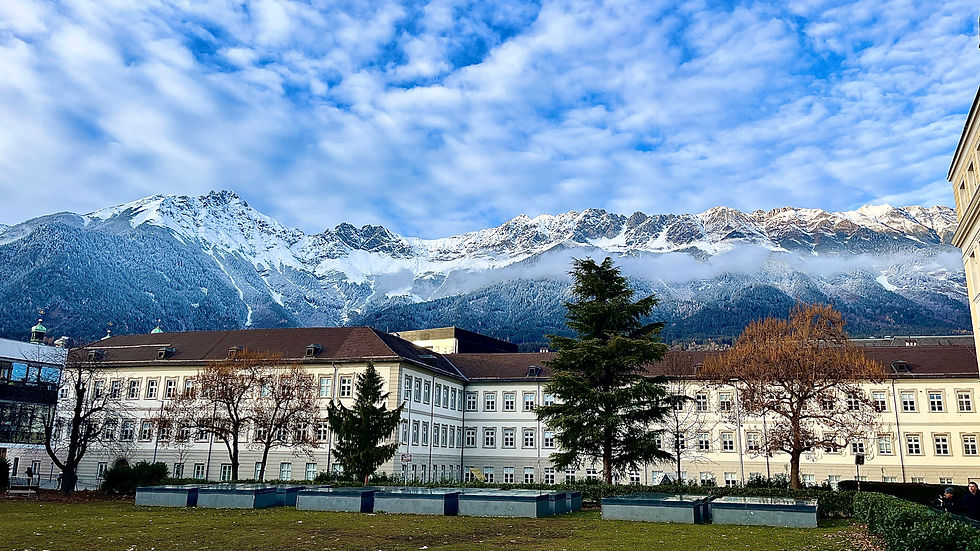
ourselves with the Old Town. We spent about five hours looking around and doing some filming for our YouTube Channel. Then we decided to head back to the hotel and get a good night’s rest.
The next morning, we got an early start, and headed back to Old Town Innsbruck…and it was absolutely beautiful. There was so much history, and so many things I had heard about, but I didn’t realize were part of Innsbruck’s story. The architecture was incredible, and the local restaurants were delicious.
So, let’s talk a little bit about what we saw while we were in Innsbruck!
But first, let’s start out with a couple Pro-Tips!
🌍 Pro Tips for Traveling to Innsbruck
✨ Pro-Tip 1: Innsbruck’s Old Town is best explored on foot, so wear comfortable shoes. The cobbled streets, narrow alleys, and hidden courtyards are full of surprises you won’t see from a car.
✨ Pro-Tip 2: Purchase an Innsbruck Card for discounted access to museums, the Nordkette cable cars, and public transport. It’s a great way to stretch your travel budget.
✨ Pro-Tip 3: Plan to spend at least two to three full days here. That gives you time to enjoy both the historic city center and the incredible mountain scenery surrounding Innsbruck. Trust me, there is enough to see to spend a month there.
With these tips in mind, let’s step into Innsbruck’s unique mix of imperial history, natural beauty, and vibrant culture.
🏞️ The Inn River: The Lifeblood of Innsbruck
The story of Innsbruck begins with the Inn River, it’s the powerful waterway that flows directly through the city. For centuries, it served as a trade route, connecting merchants across the Alps. Innsbruck’s name meas "bridge over the Inn", a reminder of how vital the
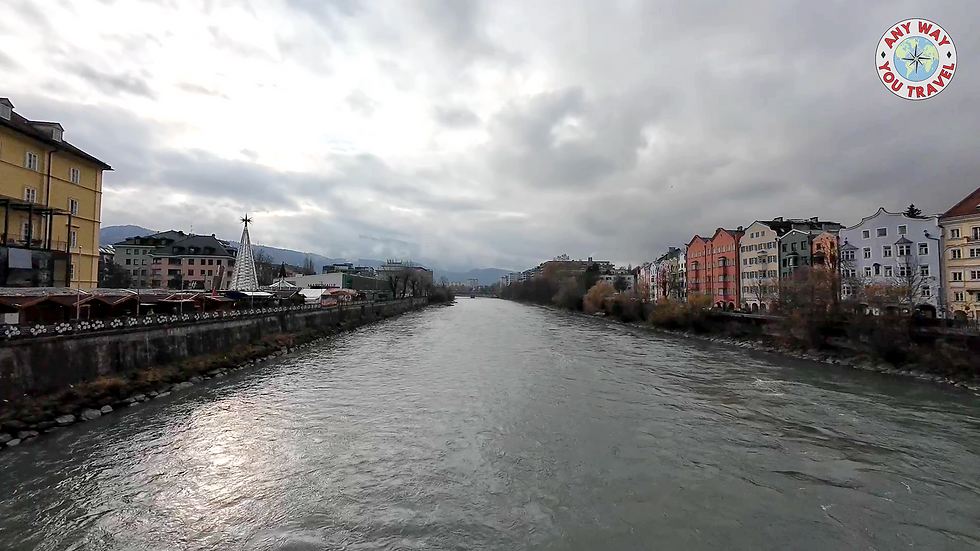
river has always been.
Standing on one of the city’s bridges, you’ll see pastel-colored houses lining the riverbanks, framed by the soaring peaks of the Nordkette range. It’s one of the most iconic views in all of Austria.
From the river’s edge, let’s walk into Innsbruck’s Old Town, where the city’s history really comes alive.
🏅 The Golden Roof: Innsbruck’s Shining Symbol
No visit to Innsbruck is complete without seeing the Golden Roof (Goldenes Dachl). This conspicuous piece of architecture was built in the 15th century for Emperor Maximilian I.

The balcony is decorated with 2,657 gilded copper tiles. The emperor would occasionally stand here, with his friends, to watch festivals and tournaments in the square below.
Today, the Golden Roof remains Innsbruck’s most photographed landmark. There’s a small museum inside which tells the story of Maximilian’s reign and the city’s role in European history. When the sunlight strikes the tiles, the roof glitters against the mountain backdrop—an unforgettable sight.
From this golden icon, you can walk across the square to another architectural treasure.
⸻
🏛️ Helbling House: A Baroque Treasure
At first glance, Innsbruck’s Old Town looks like a postcard filled with medieval buildings and narrow alleys. But one façade really stands out—the Helbling House.

It was originally a Gothic townhouse, built in the 1400s. However, in the 1700s, the owner decided to transform it by adding extravagant stucco work on the outside. The creamy white exterior is decorated with cherubs, fruit garlands, and delicate floral patterns. It’s often called the “wedding cake” of Innsbruck, and once you see it, you’ll understand why.
Nearby, another authentic Innsbruck experience awaits.
🍎 Old Town Markets: A Feast for the Senses
Walking through Innsbruck’s open-air markets, especially around Marktplatz, is an awesome experience. Stalls brim with fresh fruit, vegetables, Alpine cheeses, cured meats, and

fragrant bread. Here, locals mingle with travelers and it’s a chance to sample Tyrolean specialties like speck or mountain honey.
These markets aren’t just about food—they’re about community. The lively atmosphere gives you a taste of everyday life in Innsbruck.
And if you’re looking to enjoy local flavors in a historic setting, Innsbruck has just the place.
🍷 The Ottoburg: Dining in History
Standing at the entrance to Old Town, the Ottoburg is one of Innsbruck’s oldest buildings, dating back to the 1400s. This tower-like structure once guarded the city’s edge, was the home of a prince, but today, it houses a celebrated restaurant.

Inside, vaulted ceilings and wood-paneled rooms create a cozy atmosphere with a touch of elegance. The menu highlights Tyrolean classics—like hearty dumplings, game dishes, and strudel—along with fine Austrian wines. Dining here feels like stepping back into Innsbruck’s medieval past while savoring authentic flavors of the Alps.
From fine dining, let’s sparkle things up a bit with Innsbruck’s modern gem.
💎 Swarovski Crystal: From Storefront to World of Wonder
One of Innsbruck’s modern icons is Swarovski Crystal, a brand born right in Tyrol region. Start your journey at the flagship Swarovski store in Old Town, where glittering displays

showcase the artistry of these world-famous crystals.
Just a short ride away, you’ll find Swarovski Kristallwelten (Crystal Worlds), a dazzling theme park dedicated to light, art, and imagination. Here, giant crystal sculptures, interactive exhibits, and immersive rooms create an experience unlike any other. It’s both a shopping stop and an artistic adventure. We were really upset we weren’t able to make it to Kristallwelton, but we simply ran out of time.
From sparkling crystals, we turn now to Innsbruck’s sacred landmarks.
⛪ St. Jacob’s Cathedral: A Sacred Masterpiece
The Dom zu St. Jakob (St. Jacob’s Cathedral) is one of Innsbruck’s most important religious landmarks. Originally built in the 1100s, it was later redesigned in the Baroque

style. Inside, the ceiling frescoes glow with incredible color and the grand organ can fill the space with music.
The cathedral also houses one of Innsbruck’s treasures: the painting “Madonna and Child”, by Lucas Cranach the Elder. It also houses the tomb of Archduke Maximilian III, tying the church to the Hapsburg family history.
Visitors come not only for the architecture but also for the sense of history and reverence within its walls.
But Innsbruck is also home to traditions that mix the sacred with old fashioned Alpine folklore.
Krampus & Father Christmas: An Alpine Tradition
Every December, Innsbruck celebrates a unique piece of Alpine folklore—Krampus and Father Christmas. While Father Christmas represents kindness and joy, Krampus, his horned companion, brings a darker side to the season.
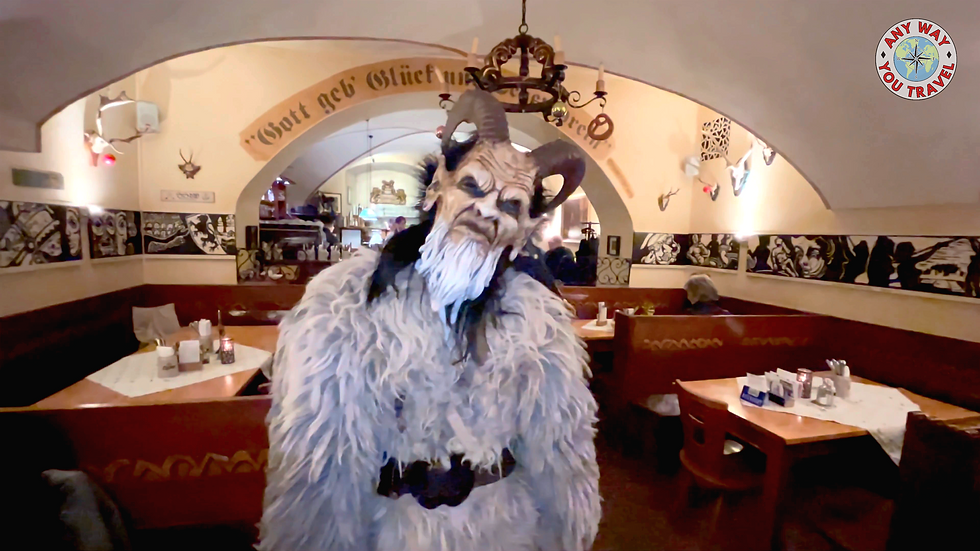
On December 6, Father Christmas rewards all the good boys and girls with small gifts, fruit, or other delights. On the other hand, if the child misbehaved, according to folklore, Krampus may take the child to punish them.
But rest assured, as the kids grow up they celebrate both Father Christmas AND Krampus. Watch the video below for proof!!
During the Krampuslauf (Krampus Run), costumed figures parade through the streets, clanging bells and rattling chains. It’s a blend of Alpine tradition, religion, and theater that has fascinated travelers for centuries.
Now, from folklore in the streets, let’s step back into the grand era of the Empire.
👑 The Habsburg Legacy & Innsbruck’s Imperial Past
Innsbruck once stood at the center of the Habsburg dynasty, one of Europe’s most powerful empires. The rulers left their mark through palaces, churches, and grand

architecture. Hofburg, the imperial palace in Innsbruck, was once a residence of Empress Maria Theresa, and its opulent halls still speak of the family’s wealth and power.
These reminders of empire give Innsbruck its unique blend of medieval charm and royal grandeur. You can take a tour of the Palace.
And to truly complete the Innsbruck experience, you have to see the city from above.
🚡 The Nordkette Cable Ride: Architecture in the Clouds
For a breathtaking finale, take the Hungerburgbahn funicular and Nordkette cable cars with stations designed by world-renowned architect Zaha Hadid. Her futuristic stations are

architectural landmarks in themselves, blending sleek curves with Alpine surroundings.
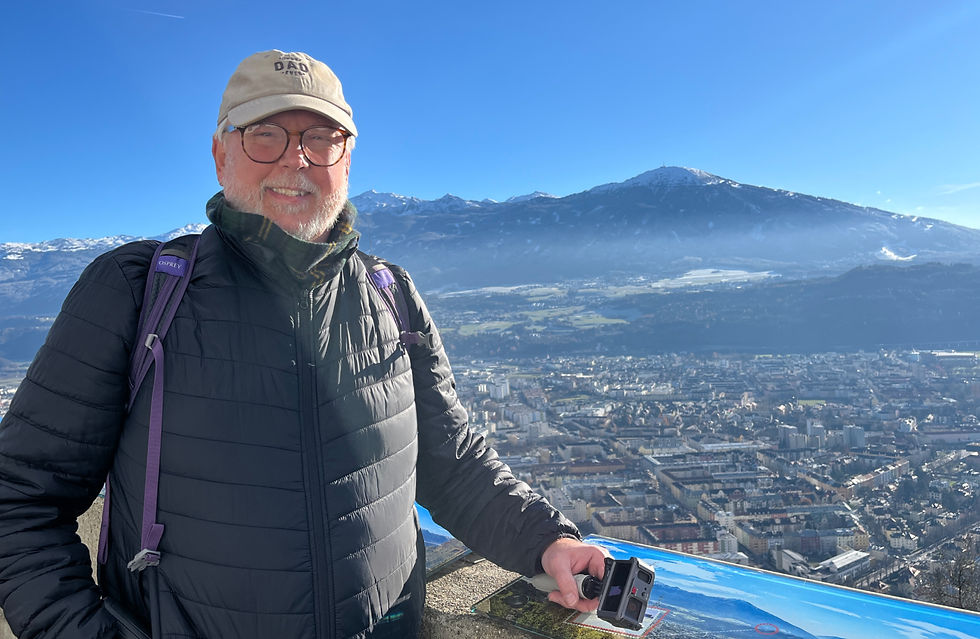
Within minutes, you’ll rise from the city center to the top of the first plateau, where panoramic views stretch across Innsbruck and deep into the Alps. It’s one of the few places in the world where urban life and mountain wilderness meet so seamlessly. From there, you can take the cable car even higher for more spectacular views!
🌟 Final Reflections
Innsbruck is a city where history, culture, nature, and tradition come together. From the
lifeblood of the Inn River to the beauty of Swarovski Crystal, from the Golden Roofto the cozy dining at the Ottoburg Restaurant, Innsbruck offers a travel experience unlike any other in Europe.
Whether you’re into exploring imperial palaces, savoring local delicacies, or riding a funicular into the Alps, this city will leave you with unforgettable memories.
So, pack your bags, lace up your walking shoes, and come discover the magic of Innsbruck for yourself. Before you go, checkout our video below! 👇👇


Comments