


Staying Healthy on the Road: What New Full-Time Nomads Need to Know
Updated: Dec 18, 2025
When you first hit the road full-time or even quasi full-time, it’s easy to get caught up in the freedom — new cities, new foods, new cultures. Pam and I still pinch ourselves that we're actually doing this. It seem so surreal!
But there’s one thing that will catch up with every traveler sooner or later…health issues.
Whether it’s jet lag, sore feet, landing a doctor’s appointment, catching the flu, breaking a bone, or figuring out how to refill your prescription halfway across the world, staying healthy as a nomad takes a little planning.
To get things started, let's share a few pro tips you can do right a way for the quick win! These can make a big difference:
🔹 Pro Tip 1: Don’t assume you’ll feel great just because you’re “traveling”. Long-term travel is a lifestyle, not a getaway. So we need to build healthy routines early...healthy routines including: nutrition, spiritual, exercise, and taking time for you as a person or a

couple.
🔹 Pro Tip 2: Pack a small medical kit with your go-to items — pain relievers, motion-sickness tablets, antibiotic ointment, and band-aids. We have turned to our kit numerous times for a splinter, scratch/cut care, and body aches. It'll save you time (and stress) later.
🔹 Pro Tip 3: Keep a running list of your allergies, medications, blood type, vaccines, and any health insurance information on your phone and in your wallet. If you need medical help abroad, it’s one less thing to worry about.
Now, let’s talk through the main things you’ll face when it comes to your health on the road.
Getting in Shape for All That Walking
Let’s be honest — travel looks fun on Instagram, but in real life, it can be physically demanding. Lugging backpacks, carrying luggage upstairs, walking miles through airports, climbing old castle steps, or exploring new neighborhoods every day can wear you down fast if you’re not in decent shape.
That means it's time to focus some attention on getting physically prepared to travel this amazing world.
If you’ve been living a mostly sedentary lifestyle or haven't been exercising regularly, start small. Try adding 30-minute walks several times a week. Build up to a few miles. Practice carrying your travel bag for short distances — it’ll help you figure out if your pack is too heavy or unbalanced before you’re sprinting for a train in Italy. 😃 That’s not the time to think, "Geez, I should have gotten in a little better shape!"
Then, once you start traveling, staying healthy is so important. Eating health, getting plenty of sleep (something I've really grown to embrace), and getting regular exercise. You don't need a gym membership to stay active while traveling. Bodyweight workouts, yoga, or even walking tours can keep you in good shape. Most nomads find that the better shape they’re in, the more they enjoy the experience — and the less exhausted they feel by day three of exploring a new location.
Of course, getting and staying fit is just one piece of the puzzle. Managing prescriptions and medications can be a whole new challenge once you leave your home country.
Vaccinations and Preventive Health
Before you take off, make sure you’re up to date on basic vaccinations — the same ones your doctor recommends at home. This usually includes tetanus, hepatitis A and B, measles-
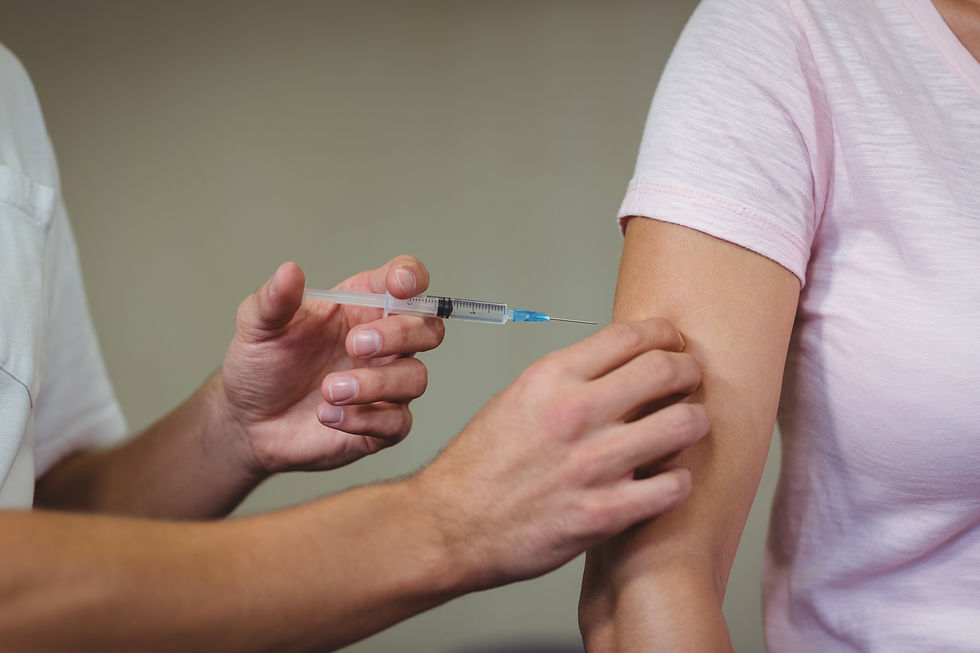
mumps-rubella (MMR), and seasonal flu. Depending on where you’re headed, you might
also need shots for typhoid, yellow fever, or Japanese encephalitis.
The easiest way to get accurate information is to check the CDC or NHS travel health site and then book an appointment with your Primary Care Physician or at a travel clinic. But, make sure to do this a couple of months before you leave. Some vaccines require multiple doses, so don’t wait until the week before your flight.
Once you’ve got your vaccines squared away, it’s time to think about how well going to handle any prescription medications you may need.
Traveling with Prescription Medications
If you take daily prescriptions, plan this part well ahead. Get and bring a copy of your prescriptions, clearly labeled with both the generic and brand names (different countries use different trade names for the same drugs). But, having your prescriptions on hand can help you go through security more easily.
Most travelers can carry up to a three-month supply of medication, but always check local regulations. Some countries (especially in Asia) have strict rules about narcotics, anxiety meds, and certain painkillers. When in doubt, ask your doctor or pharmacist for a printed note explaining why the medication is prescribed and that it’s for personal use.
If you need to refill prescriptions abroad, look up international pharmacies or clinics ahead of time. Many European cities have English-speaking doctors who can write prescriptions on the spot, and Southeast Asia often has international hospitals that cater to travelers.
Here's a basic breakdown for three major travel regions of the world...
🌍 Europe
Europe is one of the easiest regions for refills, especially in Western and Northern Europe.
Bring a copy of your prescription. Make sure it includes both the generic name (not just the brand name) and your doctor’s contact information.
Go to a local pharmacy first. Pharmacists in Europe are highly trained — in many cases, they can issue refills for common medications (like blood pressure, cholesterol, thyroid, or birth control) without a new doctor’s visit. Otherwise, they can direct you to a Doctor who can help.
If the medication is controlled (like ADHD meds, painkillers, or anxiety medications), you’ll need to see a local doctor. Many clinics and “travel medicine” centers can write local prescriptions after a short consult.
Language barrier tip: Look for “International Clinic” or “English-speaking doctor” in the city you’re visiting. Major cities — London, Paris, Rome, Vienna, Munich, and Lisbon — all have them.
💡 Pro Tip: Pharmacies in the EU often sell many prescription drugs over the counter that are prescription-only in the U.S. (like antibiotics or allergy meds), so it’s always worth asking the pharmacist first.
🌏 Southeast Asia
Southeast Asia is surprisingly traveler-friendly when it comes to medication access, but the quality and regulation can vary.
Thailand, Malaysia, and Singapore have excellent international hospitals and clinics where you can see a doctor and get refills the same day.
Indonesia, Vietnam, and the Philippines also have private clinics used to working with digital nomads and expats.
What to bring: Always carry your original medication packaging and a printed copy of
your prescription.
Ask for international hospitals (like Bumrungrad Hospital in Bangkok or Gleneagles in Kuala Lumpur). These cater to English-speaking travelers and usually have pharmacies onsite.
⚠️ Caution: Avoid buying medications from street vendors or unlicensed pharmacies in smaller towns. Counterfeit drugs are a real risk in parts of Southeast Asia. Stick to major pharmacy chains (like Boots in Thailand, Guardian in Malaysia, or Watsons).
🌎 South America
South America sits somewhere in the middle — not as seamless as Europe, but easier than the U.S. in many ways.
In Argentina, Chile, Uruguay, and Colombia, many pharmacists can sell common prescription drugs without a doctor’s note, especially if you show your U.S. packaging
or prescription.
In Brazil or Peru, you may need to visit a local clinic for a new prescription. Most cities have English-speaking doctors who work with tourists.
Bring your generic names and dosage information, because brand names often differ.
Prices: Medication costs are generally much lower than in the U.S., even at private pharmacies.
💬 Pro Tip: If you’re staying in one country for several months, consider visiting a local doctor and getting a

local prescription for the remainder of your stay. It makes refills easier and cheaper.
Speaking of doctors — let’s talk about what happens when you actually need to see one overseas.
Finding a Doctor or Dentist Abroad
Needing medical care in a foreign country isn’t as scary as it sounds. In fact, in most of Europe and Southeast Asia, medical care is both affordable and high quality.
In Europe, you’ll find plenty of English-speaking doctors and dentists, especially in larger cities. If you’re an EU resident, the European Health Insurance Card (EHIC) gives you access to public healthcare. If you’re from outside the EU, private clinics are often the best bet — they’re used to working with travelers, and appointments are typically same-day or next-day.
In Southeast Asia, places like Bangkok, Kuala Lumpur, and Singapore are known for excellent international hospitals with modern equipment and English-speaking staff. For minor issues, many pharmacies can recommend local clinics or walk-in doctors.

Before you travel, it’s smart to buy a travel insurance policy that covers both routine and emergency care. Keep the contact number saved in your phone so you can reach them quickly if something comes up.
Pam and I, due to the cost of travel health insurance policies for folks our age, have chosen to pay out of our pocket for medical care. If a major issue such as cancer or other major issues arise, we have evacuation insurance that will get us home for treatment. But, if it is an issue needing an ER, our Medicare Supplement will reimburse us for emergency care costs up to, at the time of publication, $50,000 over our lifetime. Many Medicare Advantage Plans also offer the same style of reimbursement for emergency care if traveling.
And that brings us to the last part — how to pull all this together and keep your health a top priority no matter where you are.
Keeping Health a Habit, Not an Afterthought
It’s easy to let staying healthy slip when your routine changes every few days or weeks, but building small habits make all the difference. Stay hydrated, get enough sleep, take breaks from screens, and keep some healthy snacks handy...especially on long travel days. Also remember to stay well-hydrated on long flights.
When you slow down and listen to your body, you’ll notice problems before they become major issues. Traveling full-time is a marathon, not a sprint — and keeping yourself healthy means you get to enjoy the long road ahead...for a longer period of time.
Closing Thought
Traveling full-time is one of the most rewarding experiences you can have, but it’s also one of the toughest on your body if you don’t plan ahead. A little bit of preparation — vaccines, fitness, meds, and knowing where to get care — goes a long way toward keeping your adventure running smoothly. Keep going....stay healthy...and HAPPY TRAVELS!!


Comments